
Article: Dressing Elegantly After 50: A South Asian Style Guide
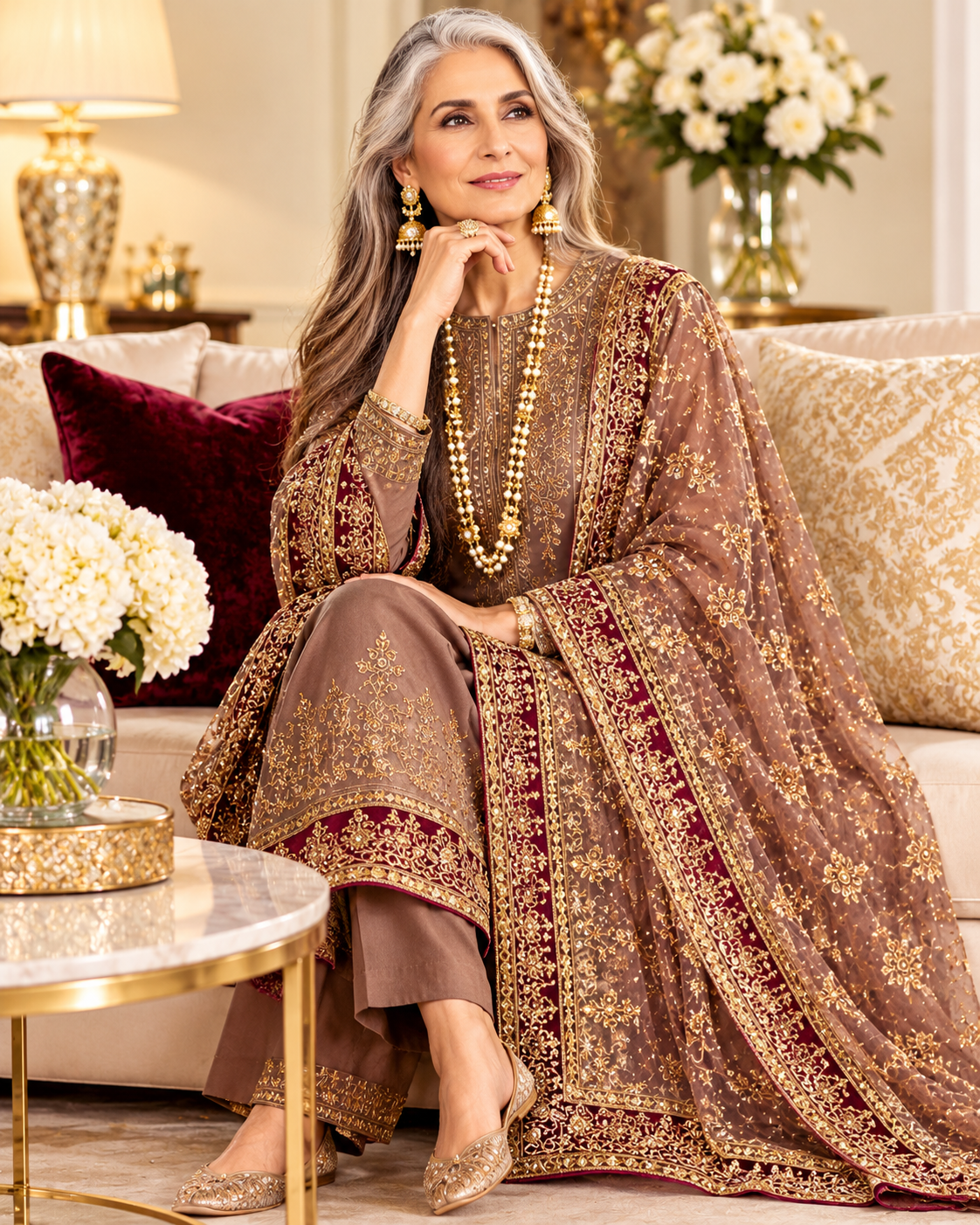
Dressing Elegantly After 50: A South Asian Style Guide
The Art of Dressing Elegantly After 50
A South Asian Woman’s Guide to Style, Comfort and Timeless Elegance
Beautiful fabrics, graceful outfits, thoughtful details and the confidence to wear what you love.
Introduction: Dressing beautifully at every age
I have always believed that a woman should enjoy dressing beautifully, whatever her age.
As we move through our 50s and 60s, our tastes and priorities may change. We might become more particular about the fabrics we wear, the way an outfit fits and how comfortable we feel throughout the day. We may start choosing quality over quantity and appreciate the little details that make an outfit special.
But that doesn’t mean we should stop experimenting with fashion or wearing the things we love.
For South Asian women, dressing is about so much more than clothes. It is part of our culture, family life and social traditions. We have Eid, Diwali, weddings, Nikkah ceremonies, birthdays, family dinners and celebrations with friends. There are also religious gatherings, afternoon teas, holidays, visits to relatives and those occasions when we simply want to look nice without making too much effort.
I often think that a good wardrobe should make all these occasions easier.
Personally, I love beautiful fabrics, graceful cuts, delicate embroidery, elegant jewellery and outfits that are comfortable enough to enjoy wearing for hours. I also appreciate clothing that can be worn in different ways, rather than buying something for just one occasion.
This is not a list of rules about what women should or should not wear after 50. Every woman has her own personality and style. These are simply some of the things I have come to appreciate when choosing an outfit.
1. Start with beautiful fabrics
If there is one thing I would always recommend, it is paying attention to fabric.
You can have a very simple outfit, but if the fabric is beautiful and falls well, it can look incredibly elegant. On the other hand, even an expensive design can lose its appeal if the material feels uncomfortable or doesn’t sit properly.
I particularly love fabrics that move naturally and feel pleasant against the skin.
Some lovely choices include:
- Silk: Always beautiful for sarees, formal suits and special occasions.
- Chanderi: Light, elegant and lovely for traditional outfits.
- Crepe: A good choice for dresses, trousers and beautifully tailored shirts.
- Chiffon and georgette: Perfect for flowing dupattas, sarees and soft draping.
- Fine cotton and lawn: Wonderful for everyday wear, particularly in warmer weather.
- Raw silk: Beautiful for formal shirts, jackets and occasion wear.
- Velvet: A favourite for winter weddings and evening celebrations.
- Cashmere and fine wool: Lovely for shawls and winter layering.
I would also pay attention to the lining. It should feel comfortable, especially if you are wearing an outfit for a long wedding or family function.
For me, a beautiful fabric is often more important than having lots of embroidery.
You can explore our Pakistani designer suits collection for beautifully designed outfits in different fabrics, from everyday designer wear to formal occasion styles.
2. Less embroidery can sometimes be more beautiful
South Asian designers are wonderfully talented when it comes to embroidery. I love seeing traditional craftsmanship, whether it is zardozi, gota, chikankari, threadwork or delicate hand embellishment.
But personally, I don’t always feel that an outfit needs to be covered in embroidery to look special.
I particularly like a little detail in the right places:
- A beautifully embroidered neckline.
- Delicate work on the sleeves.
- A fine border along the hem.
- Small motifs placed thoughtfully on the fabric.
- Subtle detailing on a dupatta.
These little touches can make an outfit look very special without taking away from the beauty of the fabric.
Of course, if you love heavily embroidered outfits, there is no reason not to wear them. It is simply a matter of choosing something that feels balanced and suits your own taste.
3. Prints: Choose what you enjoy wearing
I don’t believe prints have an age limit.
Floral prints, traditional paisleys, geometric designs, block prints and beautiful contemporary patterns can all look lovely.
My own preference is for prints that aren’t too busy. I like designs that feel balanced and don’t compete with the rest of the outfit.
Sometimes a beautiful print is all you need, particularly when the fabric has lovely colours and a good drape.
If you are choosing a larger print, look at where the motifs sit and how they work with the shape of the outfit. A bold print can look wonderful when styled well.
Ultimately, wear the prints you love. There is no reason to limit yourself.
4. Colour: Don’t be afraid to wear what you love
I have always liked sophisticated colours. There is something beautiful about ivory, champagne, dusty rose, sage, soft beige, deep maroon, navy and emerald.
I particularly like an outfit where the main colour is relatively understated and a little contrast is introduced through the borders, sleeves, neckline or embroidery.
For example, an ivory suit with a beautiful maroon border, a soft sage outfit with antique gold detailing or a navy dress with a contrasting dupatta can look very elegant.
But I would never suggest that women should avoid bright colours after 50 or 60.
If you love fuchsia, red, turquoise or bright yellow, enjoy wearing them. A beautiful colour can lift your mood and make you feel wonderful.
It is really about finding shades that you enjoy and feel comfortable wearing.
5. Never underestimate the beauty of a dupatta or shawl
I think a beautiful dupatta can completely change an outfit.
You could wear a fairly simple Shalwar Kameez and add a lovely silk or embroidered dupatta, and suddenly the whole look feels more dressed up.
Personally, I prefer lighter dupattas with delicate embroidery rather than very heavy ones covered in mirror work, crystals or excessive sequins.
Some of my favourites are:
- Moonlight silk.
- Soft chiffon.
- Fine organza.
- Delicate embroidered silk.
- Lightweight shawls.
- Beautifully woven pashmina.
And talking about shawls, I think every South Asian woman should have a few lovely ones in her wardrobe.
A beautiful shawl over a saree, Shalwar Kameez, kaftan or dress can make such a difference. It adds elegance, warmth and a lovely finishing touch.
Sometimes, a shawl is all you need to make a simple outfit feel special.
For weddings and formal occasions, explore our Gulaal collection, which includes beautiful traditional designs and bridal shawl inspiration.
6. Necklines, sleeves and silhouettes
The neckline and cut of an outfit can change its entire appearance.
Personally, I prefer refined necklines and designs that are not excessively revealing. A modest neckline, a beautifully shaped collar or a subtle sheer detail can create a sophisticated finish.
Some styles I particularly like include:
- Soft round or square necklines.
- Elegant boat necks.
- Subtle V-necks.
- Higher necklines with delicate detailing.
- Full-length or three-quarter sleeves.
- Slightly relaxed sleeves with beautiful cuffs.
- Sheer inserts when additional coverage is desired.
Of course, some women love contemporary, deeper necklines and sleeveless designs. That is entirely a matter of personal preference.
The important thing is to choose something that makes you feel comfortable and reflects your own style.
7. Finding silhouettes that are comfortable and elegant
South Asian fashion offers so many beautiful silhouettes. There is no need to restrict yourself to one particular style.
Here are some of my favourites.
Long straight-cut Shalwar Kameez
A long, straight shirt with well-cut trousers or a traditional Shalwar creates a graceful and timeless look. It is particularly beautiful when the fabric and tailoring are excellent.
Palazzo trousers with a tailored shirt
A slightly relaxed shirt paired with palazzo-style trousers can look contemporary and comfortable. Interesting sleeves can add character without requiring excessive embellishment.
Kaftans
A beautifully tailored kaftan is an excellent choice for an evening gathering or a relaxed celebration. I particularly like styles with centre gathering or gentle draping rather than excessively wide, shapeless cuts.
Long jackets
A long jacket over a simple dress or coordinated outfit can create a polished occasion look. It is a lovely way to introduce texture, embroidery or a contrasting colour.
Sarees
A saree is timeless. It can be styled traditionally or given a contemporary interpretation through the blouse, jewellery, draping and accessories.
Anarkalis and flowing dresses
These remain lovely choices for women who enjoy movement and volume. The important thing is to find a proportion and length that feel comfortable.
Two-piece coordinated sets
A well-designed shirt and trouser set is a versatile wardrobe investment. It can be dressed up with jewellery and a shawl or worn more simply for a daytime occasion.
If you enjoy experimenting with different trouser shapes, our guide to How to Style Salwar Kameez explores ways to give traditional outfits a fresh, contemporary look.
8. Jewellery: Let one beautiful piece make a statement
Jewellery should complement the outfit and the woman wearing it.
I particularly appreciate jewellery that feels timeless rather than excessively decorative.
Some beautiful choices include:
- Pearls.
- Antique gold jewellery.
- Traditional polki-inspired designs.
- Diamond or diamond-look pieces.
- Refined kundan jewellery.
- Elegant long necklaces.
- Delicate bracelets and bangles.
- Beautifully proportioned earrings.
I often prefer a longer necklace or an elegant traditional piece to an extremely heavy choker. However, a well-designed choker can look wonderful with the right neckline.
The same principle applies to earrings. A pair of elegant jhumkas or refined drops can be more than enough when the outfit already has intricate detailing.
Crystals can also look beautiful when they are carefully designed and framed. The aim is to avoid having every element compete for attention.
Choose a focal point: beautiful earrings, a necklace or a bracelet. You do not need every piece to make a statement at once.
Earrings: The Finishing Touch
A beautiful pair of earrings can bring an entire outfit together. As we get older, I think it is lovely to explore earrings with character, craftsmanship and a little elegance. There is no need to limit yourself to small or simple designs. The right statement earrings can look wonderful at any age.
For women in their 60s and beyond, these are some beautiful styles worth exploring:
Karnphool (Karanphool) Earrings
Traditional floral designs that sit beautifully on the earlobe. Their intricate detailing makes them particularly elegant with sarees, silk suits and embroidered outfits.
Rajwadi Earrings
Inspired by royal Indian jewellery, Rajwadi earrings feature elaborate traditional craftsmanship and beautiful detailing. They make a wonderful statement with festive and wedding outfits.
Polki and Ruby Earrings
The combination of uncut-style Polki stones and rich ruby accents creates a beautiful heritage look. These earrings are especially lovely with taupe, ivory, burgundy, deep green and gold outfits.
Pearl Drop Earrings
Soft, graceful and timeless, pearl drops are a lovely choice for daytime gatherings, family occasions and elegant evening dressing. They add sophistication without feeling overly elaborate.
Antique Gold Jhumkas
A classic choice with traditional Shalwar Kameez, Anarkalis and sarees. Look for delicate craftsmanship, beautiful shapes and a comfortable weight that allows you to enjoy wearing them throughout the occasion.
Kundan Chandbalis
These beautiful crescent-shaped earrings bring a touch of traditional glamour. They can be worn with an embroidered outfit or a simpler ensemble when you want your earrings to be the focal point.
Diamond and Floral Studs
Perfect for everyday elegance, lunches, travel and occasions when you prefer understated jewellery. A well-designed floral or diamond stud can be just as beautiful as a larger statement piece.
Choosing the Right Jewellery Balance
My personal preference is to let one piece of jewellery take the lead. If I am wearing beautiful statement earrings, I may choose a delicate necklace or skip the necklace altogether. With a long Rani Haar, smaller earrings can create a more balanced and graceful look.
It is also worth considering the weight and comfort of your earrings. Choose secure backs and designs that you can comfortably wear for several hours. Beautiful jewellery should make you feel lovely, not leave your ears uncomfortable.
A final thought: Never feel that your age should dictate the jewellery you wear. Whether you love traditional Karnphools, magnificent Polki and ruby earrings, delicate pearls or contemporary diamond designs, choose what makes you feel beautiful.
After all, elegance is not about following rules or dressing according to your age. It is about expressing your personality, appreciating beautiful craftsmanship and wearing every piece with confidence.
9. Footwear: Comfort matters
Footwear is often overlooked when planning an outfit, but it can make a significant difference to how comfortable and confident you feel.
South Asian weddings and family celebrations can involve many hours of standing, walking and socialising.
Some lovely options include:
- Comfortable embellished flats.
- Low block heels.
- Kitten heels.
- Supportive sandals.
- Elegant traditional juttis.
- Soft leather or fabric footwear.
- Simple evening sandals.
Personally, I prefer footwear that looks refined without being excessively decorated with flowers, crystals or elaborate embellishments.
Very high heels are not necessary for an elegant appearance. The right shoe is one that allows you to enjoy the occasion rather than spend the evening thinking about your feet.
10. Handbags and clutches: The finishing touch
A handbag should complement the occasion and the outfit.
For formal events, I prefer sophisticated clutches, structured evening bags and small elegant party bags.
Consider:
- Satin or silk clutches.
- Antique gold or metallic evening bags.
- Structured leather or fabric bags.
- Subtle embroidery.
- Pearl or understated embellishment.
- Neutral colours that work with several outfits.
I personally favour a refined clutch or structured evening bag over heavily decorated potli bags, particularly those with excessive dangling embellishments or heavy chains.
But traditional potli bags can still be a beautiful choice for women who enjoy them.
The most important thing is that the bag feels coordinated and practical.
11. Hair: Keep the overall look harmonious
A hairstyle should complement the outfit, jewellery and the shape of the face.
There is no single hairstyle that every woman over 50 should wear. Long hair, short hair, natural grey hair, coloured hair and different textures can all be beautiful.
Some lovely options include:
- Soft, natural waves.
- A polished shoulder-length hairstyle.
- A neat low bun.
- A soft French twist.
- A classic blow-dry.
- A simple half-up hairstyle.
- A graceful updo for formal occasions.
I personally prefer understated hairstyles rather than heavily decorated braids, buns or ponytails with excessive jewellery.
If you are wearing long earrings, consider a hairstyle that allows them to be seen without adding too many competing accessories.
12. Makeup: Enhance rather than conceal
Makeup should make you feel fresh and confident.
A sophisticated look does not necessarily require heavy foundation, strong contouring or dramatic colours.
I prefer:
- A well-prepared, moisturised base.
- Light, natural-looking coverage.
- Softly defined eyes.
- A little blush.
- A flattering lipstick.
- Subtle highlighting.
- Well-groomed eyebrows.
For evening occasions, you can introduce more definition through the eyes or lips.
A beautiful lipstick, softly defined eyes and healthy-looking skin can be more than enough. The aim is to enhance your natural features rather than create a heavily made-up appearance.
13. Fit and tailoring: The detail that changes everything
Good tailoring is one of the most important elements of elegant dressing.
An expensive designer outfit will not look its best if the shoulders are incorrectly positioned, the sleeves are uncomfortable or the trousers do not fall properly.
A garment should neither cling uncomfortably nor overwhelm the body with excessive fabric.
Pay attention to:
- Shoulder placement.
- Sleeve length and arm movement.
- Bust and waist ease.
- Comfortable armholes.
- Trouser length and shape.
- The fall of the dupatta.
- Lining and seam comfort.
- The overall proportion of the outfit.
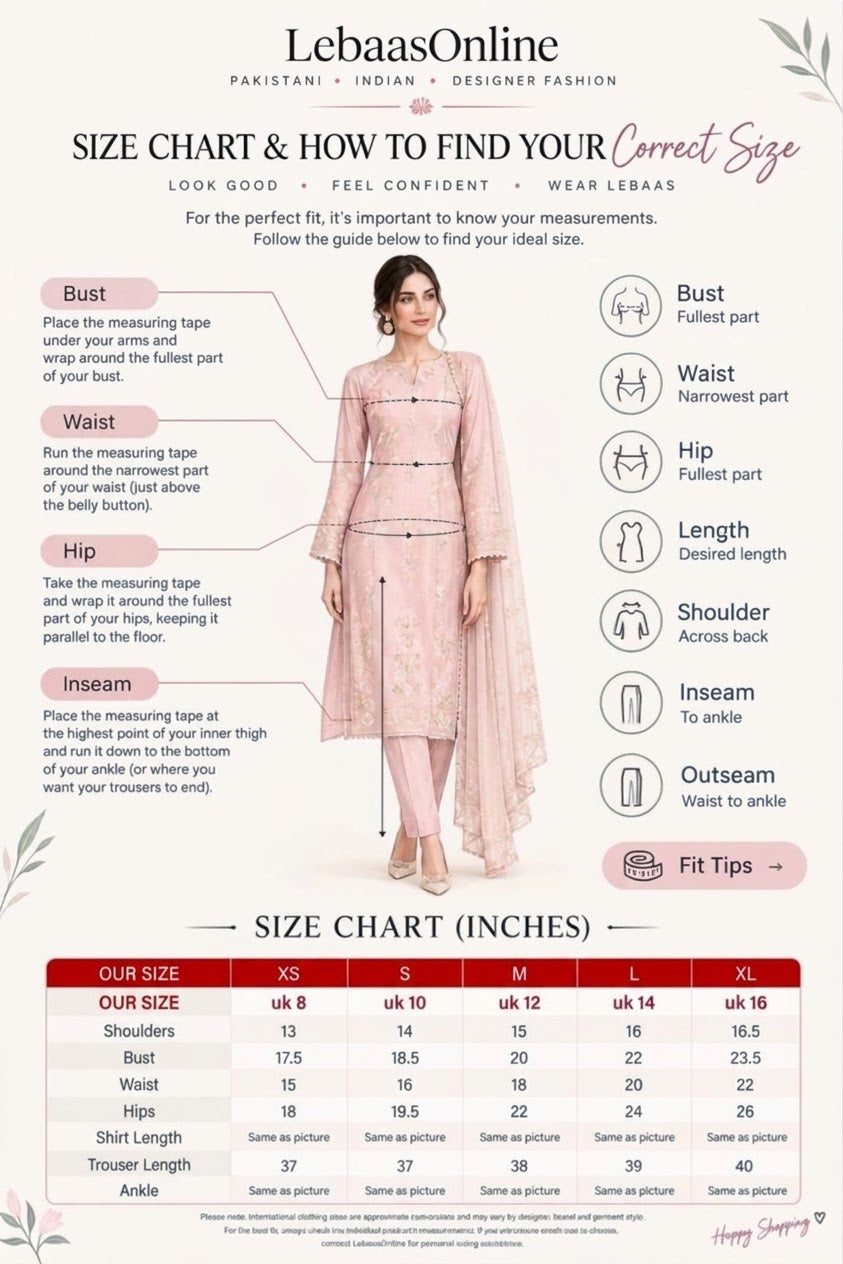
Our bodies and measurements can change over time. It is worth having measurements checked periodically rather than assuming that the same size will always fit.
For South Asian outfits, a good tailor can make an enormous difference. The right alterations can transform a ready-made suit into something that feels personal and beautifully fitted.
At LebaasOnline, our Creation Service offers clothing customisation and amendments for selected designer outfits, helping customers achieve a fit that better suits their preferences.
14. Six looks I particularly love for a woman in her 60s
These are six combinations I would happily recommend for weddings, formal family celebrations and special occasions. They are personal favourites, not rules about what women should wear.
1. A long jacket over a dress
A beautiful long jacket worn over a simple, elegant dress. Choose a sophisticated base colour and introduce embroidery, texture or contrast through the jacket. Finish with refined jewellery and comfortable heels.
2. A softly draped long dress
A plain, beautifully tailored long dress with a gentle drape can look exceptionally elegant. Add a delicate shawl, a long necklace and a sophisticated clutch.
3. A saree with a beautiful shawl
A saree in a sophisticated colour, perhaps with a silk border, paired with a full-sleeved blouse and an elegant shawl. The combination of beautiful fabric, graceful draping and thoughtful accessories creates a timeless look.
For more inspiration, read our Indian and Pakistani designer saree guide.
4. A tailored kaftan
A kaftan with gentle centre gathering or subtle draping can be both comfortable and glamorous. Choose a beautiful fabric and a flattering shape. Keep the jewellery simple and let the kaftan do the work.
5. A long straight Shalwar Kameez
A beautifully cut long shirt with elegant trousers or a traditional Shalwar. Choose excellent fabric, delicate embroidery and a lightweight dupatta.
6. A contemporary two-piece set
A coordinated shirt and palazzo trouser set with stylish, slightly relaxed sleeves. This is a lovely choice for women who enjoy contemporary dressing while retaining the elegance of South Asian design.
15. Dressing for the different occasions in our lives
An elegant wardrobe is not built around weddings alone. It should make getting dressed easier for all the different occasions that form part of family and social life.
|
Occasion |
What I would consider wearing |
|
Eid |
An elegant Shalwar Kameez, silk suit or coordinated set |
|
Diwali |
A festive saree, refined suit or contemporary ethnic outfit |
|
Wedding |
Saree, long jacket ensemble, kaftan or formal Shalwar Kameez |
|
Nikkah |
Soft colours, delicate embroidery and graceful silhouettes |
|
Walima |
Sophisticated formal suit, saree or flowing dress |
|
Mehndi |
Colourful outfit with tasteful festive detailing |
|
Birthday celebrations |
A beautiful dress, kaftan or coordinated set |
|
Children’s graduation |
Elegant saree, tailored suit or understated formal outfit |
|
Grandparents’ birthdays |
Comfortable yet special clothing suited to the gathering |
|
Aqiqah |
Graceful, modest and comfortable formal wear |
|
Religious gatherings |
Respectful, comfortable clothing with a suitable dupatta or shawl |
|
Condolence visits |
Simple, understated clothing appropriate to the family’s customs |
|
Family visits |
Fine cotton, lawn, relaxed Shalwar Kameez or coordinated separates |
|
Afternoon tea |
A refined dress, light suit or elegant trousers and shirt |
|
Society meetings and kitty parties |
Smart coordinated outfits or contemporary ethnic wear |
|
Family dinners |
A beautiful kurta set, kaftan or simple dress |
|
Holidays and travel |
Breathable fabrics, versatile separates and comfortable footwear |
|
Weekend outings |
Relaxed trousers, cotton shirts, tunics and comfortable footwear |
The same outfit can often work for more than one occasion with a change of dupatta, shawl, jewellery or footwear. I think that is one of the best ways to build a useful wardrobe.
16. A wardrobe that reflects your life today
One of the most interesting things about personal style is how it evolves.
Some women become more interested in handloom fabrics and traditional craftsmanship. Others discover contemporary designers, modern tailoring or Indo-Western clothing. Some love bold colours and statement jewellery, while others prefer quiet, understated dressing.
There is something special about a wardrobe that carries memories.
An heirloom saree, a beautifully embroidered shawl, a piece of jewellery passed down through the family or a favourite designer outfit can all have a place alongside contemporary clothing.
You do not need to replace your wardrobe every season. Sometimes the most beautiful outfit is one you already own, styled with a fresh perspective.
I would rather have a few beautiful, versatile pieces that I genuinely enjoy wearing than a wardrobe full of clothes that are rarely used.
17. What matters most? Feeling like yourself
I don’t think there is one particular way a woman should dress after 50.
Some women love traditional sarees. Others prefer Shalwar Kameez, kaftans, long jackets or contemporary dresses. Some enjoy elaborate jewellery and bright colours, while others feel happiest in understated outfits.
All these choices are equally valid.
As women, we have spent many years dressing for different stages of life, different responsibilities and different occasions. There is no reason why we should stop enjoying fashion now.
If you love a beautiful saree, wear it. If you prefer a simple long dress with a shawl, enjoy it. If you want to wear a vibrant colour or try a contemporary silhouette, why not?
The best outfit is often the one in which you feel comfortable, confident and completely yourself.
The LebaasOnline philosophy: True elegance is about choosing well
At LebaasOnline, we appreciate the beauty of South Asian fashion and the craftsmanship that makes it so distinctive.
From beautifully embroidered Pakistani designer suits and traditional Indian sarees to contemporary kaftans, elegant shawls and refined occasion wear, there is so much choice for women who love dressing well.
We believe that beautiful clothing should bring together quality fabrics, thoughtful design, good craftsmanship, comfortable tailoring and individual expression.
Whether you are looking for something special for a wedding, a lovely outfit for Eid or Diwali, or simply a beautiful suit for a family gathering, choose something that you will enjoy wearing.
Explore our Pakistani designer collections, discover our latest designer arrivals, and visit the LebaasOnline Style Hub for more South Asian fashion inspiration.
True elegance is not about wearing more. It is about choosing better.
And perhaps the greatest luxury of all is the confidence to wear what you love.
Explore beautiful Pakistani and Indian designer clothing, sarees, elegant Shalwar Kameez, kaftans and occasion wear at LebaasOnline.


Leave a comment
This site is protected by hCaptcha and the hCaptcha Privacy Policy and Terms of Service apply.