
Article: Farshi Salwar Suits 2027: Royal Heritage, Modern Styling, Eid, Wedding & Party Wear
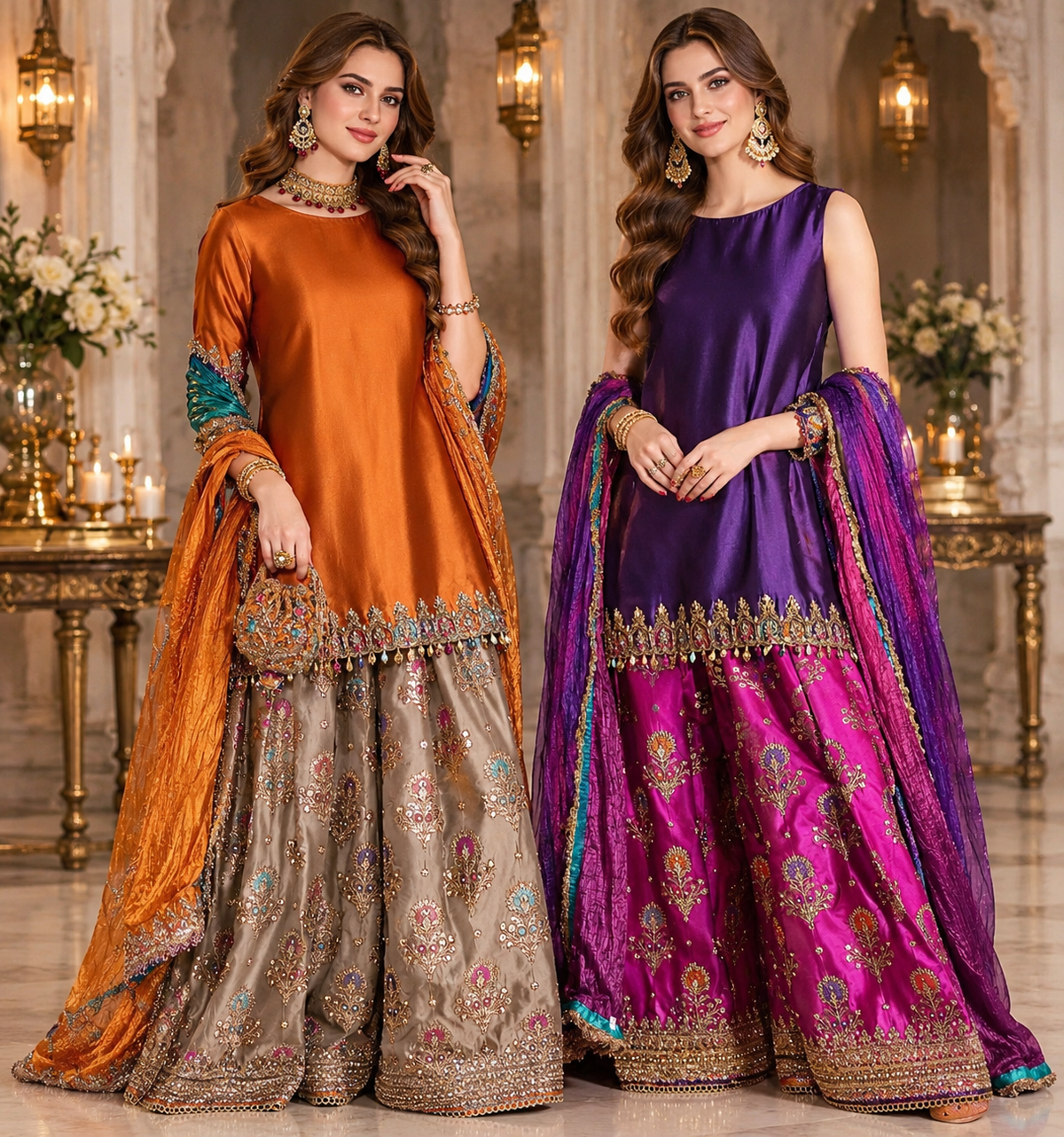
Farshi Salwar Suits 2027: Royal Heritage, Modern Styling, Eid, Wedding & Party Wear
Farshi Salwar Suits 2027: Royal Heritage, Modern Styling, Eid, Wedding & Party Wear

The Farshi Salwar is one of South Asian fashion’s most distinctive silhouettes. With its generous volume, flowing fabric and dramatic floor-length appearance, it brings an unmistakable sense of old-world elegance to contemporary dressing.
Once associated with royal and aristocratic wardrobes, this traditional style is finding a new audience among women who love heritage fashion but want to wear it in a fresh, modern way. From beautifully embroidered festive ensembles to lighter contemporary outfits, the Farshi Salwar offers plenty of possibilities for celebrations throughout the year.
As we look towards 2027, we expect this silhouette to inspire more creative combinations of traditional craftsmanship, modern tailoring, statement dupattas and wearable luxury.
At LebaasOnline, we love the way South Asian fashion connects generations, cultures and personal style. In this guide, we explore the history of the Farshi Salwar, the designers influencing its revival, fabrics, colours, styling ideas and how to wear it for Eid, Diwali, Mehendi, weddings, Christmas parties, New Year celebrations and special occasions around the world.
The 2027 trends discussed in this article are LebaasOnline’s editorial predictions, based on the continuing interest in heritage-inspired South Asian fashion. They are not confirmed forecasts from designers.
1. What Is a Farshi Salwar?
A Farshi Salwar, also known as a Farshi Shalwar or Farshi Pajama, is a traditional South Asian trouser style recognised for its exceptionally wide silhouette and generous length.
Unlike an ordinary straight trouser or narrow salwar, a Farshi Salwar has substantial volume. Its fabric falls gracefully towards the floor, sometimes forming soft folds or a trailing effect around the feet.
The word farshi is associated with the Persian word farsh, meaning floor. The name reflects the garment’s characteristic floor-sweeping appearance.
Traditionally, the Farshi Salwar is worn with a kameez, kurta or short shirt and a dupatta. The overall look can be modest and understated or richly embellished for weddings and formal celebrations.
Its appeal lies in the contrast between the structured upper outfit and the flowing lower silhouette. When styled thoughtfully, it creates an elegant, elongated appearance with beautiful movement.
2. The Royal Heritage of the Farshi Salwar
The Farshi Salwar is closely associated with the historic clothing traditions of northern India, particularly the refined courtly cultures of Awadh and Lucknow, as well as wider Mughal-era and aristocratic influences.
It was worn with elaborate traditional ensembles and was often made using luxurious fabrics and detailed craftsmanship. Historical family garments and textile collections show how much attention was given to the cut, panels, finishing and decoration of these garments.
The style became part of the visual language of royal and aristocratic dressing, with its generous fabric and sweeping proportions creating a distinctive formal appearance.
Its heritage is also reflected in period films such as Umrao Jaan and Shatranj Ke Khilari, which helped bring the elegance of historical South Asian clothing to modern audiences.
The Farshi Salwar is not simply a wide trouser. It represents a particular approach to dressing: graceful movement, beautiful fabric, considered tailoring and an appreciation of traditional craftsmanship.
For further reading on the garment’s history and revival, see the reporting by Arab News and The Museum of Material Memory, which documents a historic family Farshi garment.
3. Farshi Salwar vs Gharara vs Sharara vs Palazzo
These four styles are sometimes confused because they all offer more volume than a conventional trouser. However, their construction and overall appearance are different.
Farshi Salwar
A generously cut, wide trouser with a long, flowing shape that can sweep or pool near the floor. Its defining feature is the dramatic volume and length.
Gharara
A Gharara usually has a fitted section around the upper leg, with a flare beginning around the knee. A decorative joint or band, often called a gota or patti, may mark the transition.
Sharara
A Sharara generally has a wide, flared silhouette from the waist or hip, creating a skirt-like appearance with two separate trouser legs.
Palazzo
A Palazzo is a wide-leg trouser with a more even width from the waist down. It is usually easier to wear for everyday occasions and does not normally have the floor-pooling drama of a traditional Farshi.
Understanding these differences helps when choosing an outfit or explaining the desired cut to a tailor.
4. Why Is the Farshi Salwar Returning to Fashion?
Fashion often revisits traditional silhouettes, but a successful revival happens when a classic design feels relevant to modern life.
The Farshi Salwar has attracted renewed attention because it offers something different from the fitted trousers, straight pants and conventional formal suits that dominate many wardrobes.
Several factors are contributing to its appeal:
- Heritage dressing: Women are rediscovering traditional cuts and craftsmanship.
- Statement silhouettes: The wide, flowing shape makes an outfit memorable without relying entirely on heavy embroidery.
- Versatile styling: It can be paired with a short kurti, long kameez, angrakha or contemporary blouse.
- Festive appeal: The silhouette works beautifully with silk, organza, velvet and embroidered fabrics.
- Photogenic movement: Its generous fabric creates beautiful movement in photographs and during celebrations.
The Farshi revival received considerable attention in Pakistan during the 2025 Eid season, with fashion coverage highlighting its return to festive wardrobes. Harper’s Bazaar India also explored its renewed popularity and contemporary styling.
5. Pakistani Designers Influencing the Farshi Aesthetic
Pakistani fashion has a strong tradition of combining heritage silhouettes with contemporary cuts, luxurious textiles and intricate embellishment.
A number of designers are worth following for inspiration when exploring Farshi-inspired fashion. Their wider design aesthetics may offer ideas for embroidery, colour combinations, traditional craftsmanship and occasion styling. This does not mean that every designer listed currently offers a dedicated Farshi Salwar collection.
Hussain Rehar
Known for expressive colour combinations, statement styling and contemporary interpretations of South Asian fashion, Hussain Rehar is an interesting reference for women who enjoy fashion with personality.
Explore Hussain Rehar-inspired designer fashion.


Élan
Élan is known for sophisticated luxury fashion, intricate surface details and carefully considered colour palettes. Its aesthetic can inspire a more polished interpretation of traditional festive dressing.
Faiza Saqlain
Faiza Saqlain is associated with elegant occasion wear, refined detailing and feminine silhouettes. Her aesthetic offers inspiration for formal Farshi ensembles with delicate embroidery and graceful dupattas.
Maria B
Maria B offers a broad range of Pakistani fashion, from everyday designs to more elaborate occasion wear. Women who enjoy traditional silhouettes can explore different fabric, colour and styling ideas across the brand’s collections.
Discover Maria B at LebaasOnline.
Sana Safinaz
Sana Safinaz is known for its contemporary approach to Pakistani clothing, with a wide variety of prints, fabrics and occasion styles.
Explore Sana Safinaz collections.
Sobia Nazir
Sobia Nazir is another designer to explore for elegant Pakistani occasion wear, traditional detailing and sophisticated festive styling.
Discover Sobia Nazir at LebaasOnline.
Other designers to watch
Bunto Kazmi, Zara Shahjahan, Iqbal Hussain, Mohsin Naveed Ranjha and Rizwan Beyg are also relevant names when exploring the wider world of Pakistani heritage-inspired and formal fashion.
For a wider selection of Pakistani designer clothing, visit New Pakistani Clothes at LebaasOnline.
6. Best Fabrics for Farshi Salwar Suits
Fabric selection is particularly important because the Farshi silhouette depends on how the material falls and moves.
A fabric that is too stiff may create excessive bulk, while one that is too light may not provide the desired shape. The right choice depends on the occasion, climate, length and amount of volume required.
Silk
Silk gives a rich and elegant finish. It is particularly suitable for formal dinners, wedding receptions and special celebrations.
Raw Silk
Raw silk offers more structure than softer flowing fabrics. It can work beautifully for a tailored Farshi outfit with a statement shirt.


Organza
Organza is lightweight and creates a delicate, airy effect. It is an excellent option for dupattas, overlays and carefully constructed festive outfits.
Chiffon
Chiffon gives a soft drape and graceful movement. It works well for flowing dupattas and lighter occasion ensembles.
Georgette
Georgette is a useful choice for women who want movement without excessive stiffness. It can be suitable for festive outfits and evening celebrations.
Velvet
Velvet is a beautiful option for winter weddings and formal occasions. Its richer texture creates a luxurious appearance, particularly in jewel tones.
Cotton and Lawn
For daytime celebrations, lighter cotton-based fabrics may offer greater comfort. A more practical Farshi-inspired silhouette can be created using carefully chosen fabric and controlled volume.
Our suggestion: Choose the fabric according to the occasion and the amount of flare you want. Ask your tailor to calculate the required material before purchasing, especially for a very wide or floor-length design.
7. Farshi Salwar Colours: Our 2027 Predictions
Colour will play an important part in how the Farshi Salwar is styled for 2027. We expect women to continue exploring both traditional festive colours and softer contemporary shades.
These are LebaasOnline’s style predictions rather than confirmed designer collection announcements.
Deep jewel tones
- Emerald green
- Ruby red
- Burgundy
- Deep plum
- Sapphire blue
- Midnight navy
These shades are particularly suited to winter weddings, evening celebrations and formal occasions.
Soft romantic shades
- Powder pink
- Rose pink
- Champagne
- Ivory
- Soft peach
- Dusty lilac
These colours create a delicate look for engagement celebrations, daytime weddings and intimate gatherings.
Earthy and heritage-inspired colours
- Antique gold
- Rust
- Copper
- Terracotta
- Olive green
- Mocha brown
These shades can look especially beautiful with traditional embroidery and antique-style jewellery.
Modern metallic details
Gold, silver and muted metallic embellishments can add a festive finish without requiring the entire outfit to be heavily decorated.
For a balanced look, consider a plain or lightly embellished Farshi Salwar with a more detailed shirt or dupatta.
8. Farshi Salwar Designs: Traditional and Modern Interpretations
The beauty of the Farshi Salwar is that it can be adapted to different personal styles.
Traditional Farshi Salwar: A classic version may feature generous fabric, a long shirt, traditional embroidery and a dupatta with a rich border.
Short kurti with Farshi trousers: A shorter shirt creates a stronger contrast with the wide lower silhouette and gives the outfit a youthful appearance.
Angrakha-inspired Farshi suit: An overlapping Angrakha shirt can add a beautiful historical reference.
Embroidered Farshi ensemble: Zardozi-inspired detailing, gota work, thread embroidery and decorative borders can make the outfit suitable for weddings and formal celebrations.
Minimal contemporary Farshi: A simpler shirt, plain flowing trousers and a statement dupatta create a more understated look.
Layered Farshi outfit: A jacket, cape or long open layer can add structure and interest, particularly for winter occasions.
9. Embroidery and Traditional Craftsmanship
Embroidery can transform a Farshi Salwar from a simple flowing outfit into a special occasion ensemble.
Some techniques and decorative styles to consider include:
- Zardozi: Metallic threadwork that creates a rich traditional appearance.
- Gota Patti: Decorative ribbon and applique work often associated with festive South Asian clothing.
- Resham embroidery: Coloured threadwork that can be delicate or elaborate.
- Dabka and naqshi: Traditional metallic embellishment used in formal clothing.
- Mirror work: A decorative option for Mehendi and festive celebrations.
- Sequin work: Adds sparkle for evening events.
- Hand embellishment: Beads, pearls and carefully placed details can give an outfit a distinctive finish.
The most successful designs balance decoration with the natural movement of the fabric. Too much heavy embellishment around the lower hem may make the outfit difficult to manage.
10. Choosing the Right Farshi Salwar for Your Body Shape
The Farshi Salwar is not limited to one height or body shape. Its proportions can be adjusted to suit different preferences.
Petite women
A shorter or moderately flared version can help maintain proportion. A well-fitted shirt and a carefully selected heel can create a longer visual line.
Tall women
A more dramatic flare and longer silhouette can look particularly striking. Tall wearers may enjoy the traditional floor-sweeping effect.
Curvy women
Choose a fabric that falls smoothly rather than creating unnecessary bulk. A well-fitted upper garment and a balanced dupatta can create a graceful overall shape.
Women who prefer a modest silhouette
A longer kameez, full sleeves and a generous dupatta can create an elegant and comfortable outfit.
The most important detail is not a particular body shape but good tailoring. The waistband, length, flare and shirt proportions should work together.
11. How to Measure and Tailor a Farshi Salwar
A Farshi Salwar requires more attention to measurements than an ordinary trouser.
Before placing an order or visiting a tailor, discuss:
- Waist measurement
- Hip measurement
- Desired trouser length
- Waistband position
- Amount of flare
- Fabric width and number of panels
- Lining requirements
- Border and embroidery placement
- Shoes or heel height
A trouser length of approximately 40–44 inches may be a useful starting point for some designs, but this is not a universal measurement. Height, waistband position, footwear and the desired floor-pooling effect will change the final length.
The amount of fabric also varies considerably. A moderately flared design may need less material than a very wide traditional version. Fabric width, panel construction, lining, embroidery and the wearer’s measurements all affect the requirement.
Ask your tailor to calculate the fabric before buying it. Do not rely on a fixed fabric quantity for every Farshi Salwar.
A practical tailoring tip: Try the outfit with the shoes you intend to wear. The hem should create the desired visual effect without becoming a tripping hazard or dragging excessively on the floor.
12. How to Style a Farshi Salwar
The right styling can make the same silhouette look traditional, modern, romantic or glamorous.
With a short shirt
A short shirt highlights the volume of the Farshi Salwar and creates a striking proportion.
With a long kameez
A longer kameez gives a more traditional and modest appearance. Choose a balanced flare so the outfit does not become unnecessarily heavy.
With an Angrakha
An Angrakha-inspired shirt adds heritage character and works beautifully for formal occasions.
With a statement dupatta
A flowing organza, chiffon or embroidered dupatta can complete the look. A contrasting dupatta can add colour without overwhelming the outfit.
With a jacket
A fitted jacket or embellished short layer creates a more contemporary silhouette.
13. Jewellery and Footwear
A Farshi Salwar has a dramatic shape, so jewellery should complement rather than compete with it.
For a traditional look, consider:
- Polki earrings
- Kundan chandbalis
- Antique gold jhumkas
- Pearl necklaces
- Traditional bangles
- A statement ring
- A delicate maang tikka for wedding celebrations
For a modern look, choose one standout jewellery piece, such as sculptural earrings or a statement necklace.
Footwear is especially important because of the long hem.
Suitable options include:
- Traditional khussas
- Embellished juttis
- Low block heels
- Comfortable wedges
- Elegant sandals
Very high heels are not essential. Choose footwear that allows you to walk comfortably while keeping the fabric safely away from the ground.
14. Farshi Salwar for Different Ages
The Farshi Salwar can be styled beautifully across generations.
Young women
Younger wearers may enjoy shorter shirts, playful colour combinations, lighter fabrics and statement earrings.
Women in their 30s and 40s
A tailored shirt, elegant embroidery and a beautifully draped dupatta can create a sophisticated festive look.
Women over 50 and 60
A refined Farshi ensemble can be especially elegant when paired with comfortable footwear, subtle embroidery, a beautifully finished shawl and timeless jewellery. Rich fabrics and graceful proportions can create a polished look without relying on excessive embellishment.
The best outfit is one that feels comfortable, reflects personal taste and allows the wearer to enjoy the occasion.
15. Farshi Salwar for Every Celebration
One of the reasons we love this silhouette is its ability to adapt to so many celebrations throughout the year.
Eid al-Fitr
For Eid al-Fitr, consider a Farshi Salwar in pastel pink, mint green, ivory, powder blue or soft peach. A lightly embroidered shirt and an organza dupatta create a festive yet graceful look.
Eid al-Adha
For Eid al-Adha, deeper colours such as emerald, burgundy, navy and plum can look beautiful. Silk or raw silk fabrics with traditional detailing are worth considering.
Explore Pakistani designer new arrivals for festive outfit inspiration.
Diwali
Diwali is an opportunity to enjoy rich colour and beautiful traditional dressing.
Consider:
- Ruby red Farshi suits
- Antique gold details
- Emerald green outfits
- Deep plum and magenta
- Champagne and ivory with metallic embroidery
A statement dupatta and traditional jewellery can complete the look.
Christmas parties
For Christmas celebrations, the Farshi Salwar can be styled with a more contemporary feel.
Think emerald green, deep red, burgundy, midnight blue or champagne. Velvet, silk and embellished fabrics can work particularly well for evening gatherings.
A simpler shirt with statement earrings can create an elegant alternative to a heavily embroidered outfit.
New Year’s Eve
New Year’s Eve is the perfect occasion for a little extra glamour.
Consider metallic details, sequins, jewel tones and dramatic dupattas. A modern Farshi silhouette with a fitted shirt and statement accessories can create a memorable evening look.
Birthdays and anniversaries
For birthdays and anniversaries, softer colours such as rose pink, lilac, champagne and powder blue can feel romantic.
A contemporary Farshi suit with delicate embroidery is a lovely option for a family dinner or special celebration.
Mehendi
Mehendi outfits often welcome brighter colours and playful detailing.
Try:
- Mustard yellow
- Lime green
- Mehendi green
- Orange
- Fuchsia
- Turquoise
Mirror work, gota detailing and colourful dupattas can add to the festive atmosphere.
Haldi
For Haldi celebrations, yellow, marigold, lemon and warm saffron shades are natural choices. Lighter fabrics and manageable hems are particularly practical for daytime functions.
Engagement and Roka ceremonies
For engagement or Roka celebrations, consider blush pink, champagne, ivory, sage green or a soft jewel tone. Delicate embroidery and refined jewellery can create a sophisticated look.
Weddings and receptions
For wedding receptions and formal events, richer colours and more elaborate detailing can make the Farshi Salwar a beautiful statement outfit.
Consider:
- Deep red
- Burgundy
- Emerald
- Midnight blue
- Antique gold
- Plum
Sangeet and evening celebrations
A more playful version can include a shorter shirt, decorative borders, a statement dupatta and sparkling accessories.
Graduation and family gatherings
For graduation celebrations, family lunches and other daytime events, choose a lighter fabric and a simpler silhouette. Comfort and ease of movement should come first.
16. Farshi Salwar Fashion Around the World
South Asian clothing is now part of a much wider international fashion conversation. Women living outside the subcontinent often choose traditional outfits for cultural celebrations, weddings, family events and special occasions.
Pakistan
In Lahore, Karachi and Islamabad, the Farshi Salwar is closely connected with traditional festive dressing. It can be styled with embroidered shirts, statement dupattas and traditional jewellery.
United Arab Emirates
In Dubai and Abu Dhabi, Farshi-inspired outfits can be a beautiful choice for Eid gatherings, family celebrations, weddings and evening events.
For the UAE climate, lightweight fabrics such as chiffon, georgette and organza may be more comfortable for daytime occasions. Richer silks and velvets can be reserved for air-conditioned evening venues and winter celebrations.
United Kingdom
In London, Birmingham, Manchester and Leicester, Pakistani and Indian clothing remains an important part of weddings, Eid celebrations and family occasions.
A Farshi Salwar can be styled with a shawl or jacket for cooler weather. For wedding guests, jewel tones and elegant embroidery can create a refined look.
Explore ready-made Pakistani clothes in the UK.
United States
In New York, New Jersey, Chicago, California and other cities with South Asian communities, traditional outfits are worn for weddings, Diwali, Eid, engagement parties and cultural celebrations.
A modern Farshi ensemble can combine traditional craftsmanship with contemporary styling.
Canada
In Toronto, Mississauga and Vancouver, Farshi-inspired clothing can work beautifully for wedding events, festive gatherings and cultural celebrations. Winter-friendly fabrics and shawls can make the outfit more practical.
India
In Delhi, Lucknow, Mumbai and Hyderabad, the Farshi Salwar connects with a rich history of regional clothing and formal dressing.
Its historical associations make it especially interesting for women who appreciate traditional silhouettes and heritage-inspired fashion.
Saudi Arabia, Qatar and Kuwait
Across the Gulf, modest occasion wear and elegant South Asian outfits are popular choices for family gatherings, weddings and festive celebrations.
A flowing Farshi Salwar with a refined shirt and beautiful dupatta can offer a graceful alternative to more conventional occasion wear.
Australia and New Zealand
For South Asian celebrations in Sydney, Melbourne, Perth and Auckland, the Farshi Salwar can be styled for weddings, Eid, Diwali and family occasions. Fabric weight and seasonal weather should guide the choice.
17. Choosing a Farshi Salwar for the Occasion
|
Occasion |
Colour ideas |
Fabric and styling |
|
Eid |
Pastels, emerald, rose |
Chiffon, silk, organza dupatta |
|
Diwali |
Red, gold, magenta |
Silk, metallic details |
|
Christmas |
Burgundy, green, champagne |
Velvet, silk, elegant embellishment |
|
New Year |
Navy, black, metallic |
Statement details, modern shirt |
|
Mehendi |
Yellow, orange, green |
Lightweight fabric, gota or mirror work |
|
Haldi |
Marigold, lemon, saffron |
Comfortable, light fabric |
|
Engagement |
Blush, ivory, sage |
Delicate embroidery |
|
Wedding reception |
Burgundy, emerald, plum |
Silk, raw silk, rich detailing |
|
Birthday |
Pink, lilac, champagne |
Georgette, chiffon |
|
Family gathering |
Pastels, earthy tones |
Light embroidery, comfortable fit |
These are styling suggestions rather than strict rules. Choose colours and fabrics that suit your own taste, the venue and the season.
18. How to Shop for Farshi Salwar Suits Internationally
When shopping for a Farshi Salwar or a Farshi-inspired outfit, it is important to look beyond the photograph.
Check the following details before ordering:
- Fabric: Is the outfit made from silk, chiffon, organza, cotton or another material?
- Stitching: Is it unstitched, ready-made or customised?
- Trouser cut: Does the design have the generous flare you expect?
- Length: Can the length be adjusted to your height and footwear?
- Lining: Is lining included or required?
- Embroidery: Is the work concentrated on the shirt, dupatta or trouser?
- Delivery: Check dispatch and delivery arrangements for your country.
At LebaasOnline, we specialise in Pakistani and Indian designer fashion, bringing together selected designer clothing for customers in the UK, UAE and international destinations.
You can explore our Pakistani designer clothing collection and ready-made Pakistani clothing.
For women who prefer exploring established designer labels, visit our Maria B collection, Sana Safinaz collection and Sobia Nazir collection.
Please check individual product descriptions for the actual fabric, cut, sizing and stitching details. Not every wide-leg or traditional trouser is a Farshi Salwar, and not every designer collection includes this particular silhouette.
19. How to Care for a Farshi Salwar
Because a Farshi Salwar often uses generous quantities of fabric, careful storage and cleaning will help preserve its shape.
- Follow the garment’s care label.
- Use specialist dry cleaning where recommended, especially for delicate embroidery and embellished fabrics.
- Avoid hanging very heavy garments on weak hangers.
- Store delicate dupattas separately to prevent snagging.
- Keep embellished hems protected from friction.
- Do not allow the fabric to drag on rough or dirty surfaces.
- Check the hem and lining before storing the outfit.
For outfits with heavy embroidery, ask a professional cleaner about the safest cleaning method.
20. Frequently Asked Questions About Farshi Salwar Suits
What does Farshi Salwar mean?
The name is associated with the Persian word farsh, meaning floor. It describes a wide, flowing trouser that falls towards or sweeps the floor.
Is Farshi Salwar the same as Gharara?
No. A Farshi Salwar has a generous, flowing trouser shape, while a Gharara typically has a fitted upper leg and a flare beginning around the knee, often marked by a decorative joint.
Is Farshi Salwar suitable for weddings?
Yes. It can be styled for weddings, receptions, engagement parties and other formal occasions. Silk, velvet, raw silk and embroidered fabrics can create a particularly elegant look.
Can I wear a Farshi Salwar for Eid?
Absolutely. A Farshi Salwar can be a beautiful Eid outfit, whether you prefer pastel shades, traditional embroidery or richer festive colours.
Can Farshi Salwar be worn for Mehendi?
Yes. Bright colours, gota work, mirror details and lightweight dupattas can make it suitable for Mehendi celebrations.
Is Farshi Salwar suitable for women over 50?
Yes. A well-tailored Farshi outfit can look elegant at any age. A refined shirt, comfortable footwear and subtle embellishment can create a sophisticated appearance.
Can petite women wear Farshi Salwar?
Yes. The flare and length can be adjusted to suit different heights. A balanced shirt length and carefully fitted waistband can help create harmonious proportions.
Which fabric is best for Farshi Salwar?
Silk, raw silk, chiffon, georgette and organza are all possibilities. The best fabric depends on the desired drape, occasion and amount of volume.
How much fabric is required for a Farshi Salwar?
There is no single fixed quantity. The amount depends on the fabric width, trouser length, flare, number of panels, lining and the wearer’s measurements. Ask your tailor to calculate the requirement before purchasing.
Can Farshi Salwar be worn in Dubai?
Yes. For daytime events in the UAE, lighter fabrics may be more comfortable. Silk and velvet can be considered for evening celebrations and indoor venues.
Is Farshi Salwar still fashionable in 2027?
Our editorial prediction is that heritage-inspired silhouettes, including the Farshi Salwar, will continue to inspire festive and occasion wear in 2027. The way designers and customers interpret the style may change through fabrics, proportions and embellishment.
What should I wear with a Farshi Salwar?
A short kurti, long kameez, Angrakha shirt or contemporary blouse can all work. Complete the outfit with a dupatta, suitable jewellery and comfortable footwear.
21. Discover South Asian Designer Fashion at LebaasOnline
Traditional fashion has a special way of connecting the past with the present. The Farshi Salwar is a beautiful example: a silhouette with historic character that can be reimagined for today’s celebrations.
Whether you are dressing for Eid, Diwali, a Mehendi celebration, a wedding reception, Christmas or New Year’s Eve, the right combination of fabric, colour, tailoring and accessories can make a traditional outfit feel personal and contemporary.
At LebaasOnline, we celebrate Pakistani and Indian designer fashion and the craftsmanship behind South Asian occasion wear.
Explore our latest Pakistani designer arrivals and discover clothing for celebrations, weddings and special moments.
LebaasOnline — South Asian Designer Fashion, Delivered with Care.
Published by LebaasOnline | South Asian Fashion & Style


Leave a comment
This site is protected by hCaptcha and the hCaptcha Privacy Policy and Terms of Service apply.