
Article: Indian & Pakistani Bridal Colour Trends for 2026–2027: Dresses, Jewellery & Wedding Themes

Indian & Pakistani Bridal Colour Trends for 2026–2027: Dresses, Jewellery & Wedding Themes
Indian & Pakistani Bridal Colour Trends for 2026–2027: Dresses, Jewellery & Wedding Themes
Every unforgettable wedding look begins with a beautiful colour story. From the richness of a traditional red bridal lehenga to the understated elegance of an ivory Nikkah dress, colour shapes the mood of a celebration, complements the embroidery and jewellery, and brings the entire wedding aesthetic together.
For Indian and Pakistani weddings in 2026–2027, brides can explore a diverse palette of classic reds, luxurious wine shades, jewel tones, romantic pastels and sophisticated neutrals. The beauty of South Asian bridal fashion lies in its versatility: a bride can honour tradition, embrace contemporary styling or combine both in a look that feels entirely her own.
But a thoughtfully planned wedding palette goes beyond the bride’s outfit. The groom’s sherwani, bridesmaids’ dresses, wedding guest attire, floral arrangements and accessories can all contribute to a harmonious celebration.
At LebaasOnline, we love the artistry of Indian and Pakistani designer fashion. This bridal colour edit explores the shades to consider, why they work, how to accessorise them, and how to create a coordinated wedding theme from Baraat to Valima.
1. The Bridal Colour Edit: Shades to Explore for 2026–2027
Rather than following one colour trend, think about the mood you want your wedding outfit to create. Traditional heritage, contemporary minimalism, romantic femininity and dramatic evening glamour can each inspire a different palette.
Classic Red: The Timeless Bridal

Red remains one of the most recognisable colours in Indian and Pakistani bridal fashion. Crimson, ruby and deep traditional red can look spectacular on a richly embroidered lehenga, gharara, sharara or bridal suit.
Why it works: Red has strong cultural associations with celebration and marriage in many South Asian communities. Its visual richness pairs naturally with gold embroidery, elaborate borders and traditional bridal jewellery.
The styling edit: Look for intricate zardozi, zari, resham embroidery or embellishment that complements the shade of red. A beautifully draped dupatta can complete the look.
Accessories: Gold or antique-gold jewellery, kundan or polki-inspired pieces, bangles, embellished khussas and a coordinating bridal clutch.
Bridesmaid palette: Champagne, dusty rose, sage or muted gold.
Wedding guest palette: Teal, emerald, dusty pink or other complementary shades, subject to the couple’s dress code.
Wine, Burgundy and Maroon: Rich and Refined
For brides who love traditional depth but want an alternative to bright red, wine, burgundy and maroon offer a sophisticated direction.
Why they work: Their deeper tones create visual richness and can complement velvet, silk and heavily embroidered fabrics. They are also versatile enough to support antique gold detailing or more tonal embellishment.
The styling edit: Consider a wine-coloured lehenga with antique embroidery, a maroon formal suit with a statement dupatta, or a burgundy ensemble with intricate sleeves and borders.
Accessories: Antique gold jewellery, kundan earrings, gemstone accents and embroidered footwear.
Bridesmaid palette: Blush, mauve, champagne or soft rose.
Wedding guest palette: Forest green, teal, muted pink or complementary jewel tones.
Emerald and Forest Green: Jewel-Tone Elegance
Emerald, forest green and deep teal provide a rich alternative to conventional red bridal wear.
Why they work: These colours create depth and contrast beautifully with gold embroidery, pearls and statement jewellery. They can also become the foundation for a distinctive wedding theme.
The styling edit: Choose an emerald lehenga with gold detailing, a deep green Pakistani formal outfit, or a richly embroidered ensemble with a contrasting dupatta.
Accessories: Antique gold, kundan jewellery, complementary gemstones and embellished clutches.
Bridesmaid palette: Champagne, blush, sage or soft gold.
Wedding guest palette: Wine, dusty rose, navy or muted metallics.
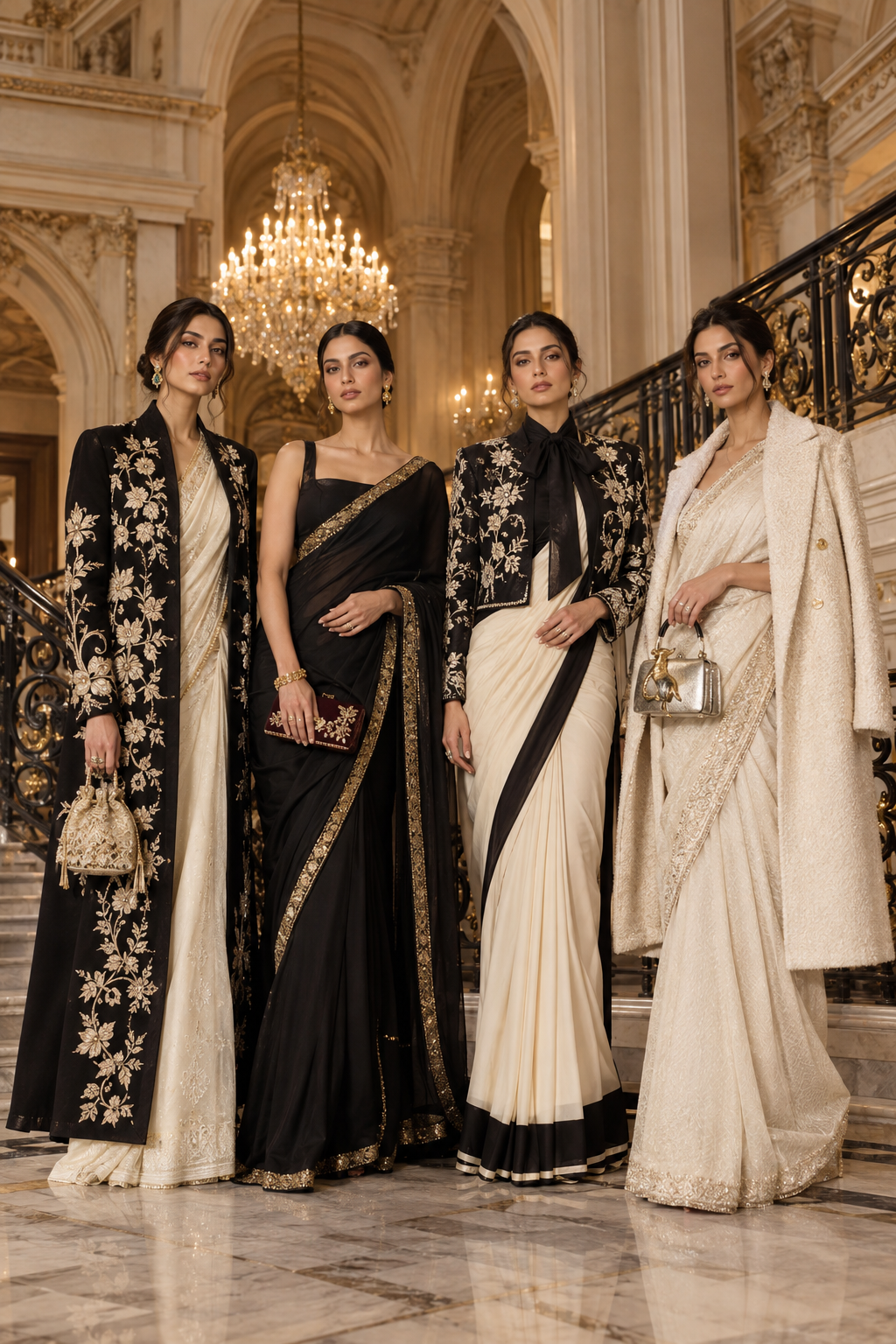
Ivory, Champagne and Pearl: Understated Luxury
Ivory, pearl, champagne and warm neutral shades offer a refined alternative to richly coloured bridal outfits.
Why they work: Neutral shades let the fabric, silhouette, embroidery and jewellery take centre stage. They can create a soft, tonal appearance with delicate gold detailing or pearls.
The styling edit: Consider an ivory Nikkah outfit, a champagne embroidered lehenga or a pearl-toned formal gown with an elegant dupatta.
Accessories: Pearl jewellery, delicate gold earrings, a subtle matha patti, embellished heels and a tonal clutch.
Bridesmaid palette: Sage, dusty rose, lavender or muted gold.
Wedding guest palette: Jewel tones, soft florals or complementary colours. If ivory or white is reserved for the bride, guests should choose another shade.
Blush, Peach and Dusty Rose: Romantic Softness
Blush pink, peach and dusty rose create a delicate palette for brides who prefer a softer look.
Why they work: These shades complement fine embroidery, floral motifs, sheer dupattas and delicate embellishment. They also offer flexibility when coordinating bridesmaids and décor.
The styling edit: Look for a blush lehenga with tonal embroidery, a peach Pakistani suit with a contrasting dupatta or a dusty rose ensemble with delicate metallic work.
Accessories: Pearls, rose gold, delicate gold jewellery, crystal earrings and embroidered footwear.
Bridesmaid palette: Mauve, champagne, sage or a deeper rose.
Wedding guest palette: Teal, soft green, lavender or complementary neutrals.
Sage and Mint: Contemporary Grace
Sage, mint and muted green offer a fresh alternative to deeper jewel tones.
Why they work: Their softer character pairs well with delicate floral embroidery, pearls and understated metallic detailing. They are especially useful as supporting colours in a coordinated wedding palette.
The styling edit: Consider a sage formal suit with intricate embroidery, a mint outfit with a sheer dupatta or a tonal ensemble with delicate gold accents.
Accessories: Pearls, rose gold, delicate gold jewellery and neutral or metallic footwear.
Bridesmaid palette: Champagne, blush, lavender or complementary shades of green.
Wedding guest palette: Peach, dusty rose, powder blue or muted jewel tones.
Powder Blue and Lavender: Soft Contemporary Glamour


Powder blue, icy blue, lavender and mauve can bring a contemporary feel to wedding formalwear.
Why they work: These cooler shades pair well with silver embroidery, crystal embellishment and delicate jewellery. They can also create a coordinated palette without repeating the bride’s exact outfit colour.
The styling edit: Choose a powder-blue formal suit with silver detailing, a lavender lehenga with delicate embellishment or a mauve outfit with a beautifully finished p
Accessories: Silver-toned jewellery, crystals, pearls and a coordinating clutch.
Bridesmaid palette: Dusty blue, lavender, blush or champagne.
Wedding guest palette: Navy, plum, sage or muted pink.
Mustard, Saffron, Coral and Rust: Festive Warmth
For Mehndi, Dholki and Sangeet, warmer colours can bring energy and personality to the celebration.
Why they work: Yellow, orange, coral and rust are visually lively and can complement colourful embroidery, contrasting dupattas and playful accessories.
The styling edit: Consider a mustard suit with colourful embroidery, a coral ensemble with a contrasting dupatta or a rust outfit with traditional embellishment.
Accessories: Gold jewellery, colourful earrings, bangles, embroidered khussas and festive potli bags.
Bridesmaid palette: Green, pink, peach or complementary prints.
Wedding guest palette: Turquoise, fuchsia, green or other bright shades, depending on the theme.
Mocha, Bronze and Warm Metallics: Modern Depth

Mocha, espresso, bronze and warm metallic tones provide an alternative to traditional bridal colours.
Why they work: They offer a rich neutral base for detailed embroidery, metallic embellishment and carefully chosen jewellery.
The styling edit: Consider a bronze formal ensemble, a mocha outfit with gold threadwork or a warm neutral dress with intricate embellishment.
Accessories: Antique gold, bronze-toned jewellery, embellished neutral footwear and a metallic clutch.
Bridesmaid palette: Champagne, blush, sage or warm taupe.
Wedding guest palette: Emerald, wine, teal or muted gold.
Remember that the final appearance of a colour depends on the precise shade, fabric, embroidery, lighting and styling. Choose the palette that suits your personality and celebration rather than treating a trend forecast as a rule.
2. Choosing the Right Colour for Every Wedding Function
A South Asian wedding often includes several occasions, each with its own atmosphere and dress expectations. Choosing different colours for different events allows the wedding wardrobe to feel varied while remaining connected.
Baraat or Shaadi: Make a Statement
The main wedding ceremony is an opportunity for a memorable bridal look. Red, crimson, wine, burgundy and emerald are all options for brides who want depth and traditional richness.
Gold embroidery can complement warm colours, while carefully selected metallic detailing can add contrast to jewel tones.
Complete the look with: Statement earrings or a necklace, coordinated bangles, embellished footwear and a carefully styled dupatta.
Nikkah: Elegant and Personal
For Nikkah, consider ivory, champagne, sage, blush, powder blue or a traditional bridal shade. The right choice depends on your personal preference, cultural traditions and the formality of the occasion.
Complete the look with: Pearls, delicate jewellery, a beautiful dupatta and understated accessories that allow the outfit’s craftsmanship to stand out.
Valima or Reception: A Different Bridal Mood
The Valima or reception offers a chance to create a second bridal look. Champagne, powder blue, lavender, wine, emerald and bronze can all provide alternatives to the main ceremony’s palette.
Complete the look with: Coordinated heels, a metallic clutch, statement earrings and jewellery that complements the embroidery and neckline.
Mehndi, Dholki and Sangeet: Colour and Celebration
These celebrations often welcome a more playful approach to colour. Yellow, mustard, orange, green, pink, turquoise and multicoloured prints can all work, depending on the event and dress code.
Complete the look with: Colourful bangles, statement earrings, festive footwear and accessories that reflect the mood of the occasion.
3. How to Choose Bridal Jewellery and Accessories
The right accessories can transform an outfit. Rather than matching every piece to the exact dress colour, consider the embroidery, neckline, fabric and overall mood.
Gold and Antique Gold
Gold works particularly well with red, maroon, saffron, emerald and other rich shades. Antique gold can complement traditional embroidery, while a brighter finish creates a more luminous effect.
Kundan and Polki-Inspired Jewellery
These styles can complement traditional South Asian bridal outfits, particularly those with detailed embroidery. Choose a necklace that works with the neckline, and balance statement pieces with simpler accessories when the outfit is already heavily embellished.
Pearls
Pearls can suit ivory, champagne, blush, sage and other soft shades. They can add elegance without introducing a strong contrasting colour.
Silver and Crystal Details
Silver-toned jewellery and crystals can complement powder blue, lavender and cooler pastels. They can also provide contrast against deep colours when chosen carefully.
Dupattas and Veils
A dupatta can introduce a complementary colour, frame the face or create a focal point through its border and embroidery. Consider how the colour and drape work with the entire outfit.
Shoes, Clutches and Potli Bags
Embroidered khussas, heels, potli bags and clutches complete the outfit. They can match the main colour, repeat a metallic accent or introduce a small complementary detail.
Hair Accessories and Makeup
A matha patti, jhoomar-style accessory or decorative hairpiece may complement a traditional bridal look. Makeup can harmonise with the outfit without matching it exactly.
The styling rule: If the outfit is heavily embroidered, consider simpler accessories. If the outfit is understated, statement jewellery or an embellished dupatta can provide the focal point.
4. Bridesmaid Colours: How to Coordinate Without Matching Exactly
Bridesmaids are an important part of the wedding’s overall visual story. Their outfits can complement the bride and décor without competing with the bridal look.
The easiest approach is to choose a main bridal colour, select two or three supporting colours and give bridesmaids a clear palette to follow.
If the Bride Wears Red
Champagne, dusty rose, sage and muted gold can complement a red bridal outfit. These shades create contrast while allowing the bride to remain the visual focus.
If the Bride Wears Ivory or Champagne
Sage, blush, lavender and muted blue can distinguish the bridal party from the bride’s neutral outfit.
If the Bride Wears Emerald
Champagne, blush, sage and soft gold can work beautifully with emerald. For a richer palette, bridesmaids can wear complementary green shades in different designs.
If the Bride Wears Blush or Peach
Sage, lavender, dusty blue and deeper rose shades can provide contrast while preserving a romantic atmosphere.
If the Bride Wears Wine or Burgundy
Champagne, mauve, blush and soft gold can complement the depth of the bridal outfit. Plum or rose tones can also work for a richer theme.
If the Bride Wears Powder Blue or Lavender
Champagne, dusty rose, sage and complementary blue shades can help create a cohesive palette.
Should Every Bridesmaid Wear the Same Outfit?
Not necessarily. A coordinated colour palette often looks more natural than identical outfits.
Bridesmaids can wear different silhouettes, sleeve lengths, dupattas and embellishment levels while remaining within the chosen palette. Another option is to use different shades of the same colour, such as dusty rose, blush and mauve.
The aim is to create a connected look that still allows each person to feel comfortable and confident.
5. Wedding Guest Outfit Colours: Complement the Theme
Wedding guests can help create a coordinated celebration by following the invitation’s dress code and choosing colours that complement the couple’s palette.
A theme should provide inspiration rather than require every guest to wear an identical shade.
For a Red and Gold Wedding
Teal, emerald, dusty pink, champagne and other complementary colours may work, depending on the couple’s instructions. If guests are asked to avoid red, respect that request.
For an Ivory and Champagne Wedding
Sage, muted jewel tones, dusty rose and selected pastels can complement the palette. If ivory or white is reserved for the bride, guests should choose an alternative.
For a Pastel Wedding
Sage, lavender, blush, peach and powder blue can work together without making every outfit look the same. Guests can select one shade or a complementary print.
For an Emerald or Jewel-Tone Wedding
Wine, plum, navy, champagne and complementary jewel tones can create a rich overall effect.
For a Colourful Mehndi
Yellow, orange, green, fuchsia, turquoise and multicoloured prints can complement a festive theme, particularly when bright colours have been requested.
For a Formal Evening Reception
Emerald, navy, plum, bronze and champagne may suit a formal setting, depending on the venue and dress code.
A note on wedding etiquette: There is no single colour rule that applies to every South Asian wedding. Follow the invitation, the couple’s preferences and family traditions, especially when a colour is reserved for the bride or wedding party.
6. Five Wedding Colour Palettes to Inspire Your Celebration
Use these palettes as starting points for coordinating the bride, groom, bridesmaids, guests and décor.
The Classic Heritage Palette
Red · Antique Gold · Champagne · Dusty Rose
Ideal for a traditional Baraat or Shaadi.
- Bride: red or crimson.
- Groom: cream or champagne with gold accents.
- Bridesmaids: champagne or dusty rose.
- Guests: complementary jewel tones, according to the dress code.
- Accessories: gold, kundan or polki-inspired jewellery.
- Décor: warm gold, red florals and neutral accents.
The Soft Nikkah Palette
Ivory · Sage · Champagne · Pearl
Ideal for an elegant Nikkah or daytime engagement.
- Bride: ivory or pearl.
- Groom: cream, taupe or a complementary neutral.
- Bridesmaids: sage, blush or lavender.
- Guests: muted pastels or complementary colours.
- Accessories: pearls, delicate gold or crystal details.
- Décor: greenery, ivory florals and champagne accents.
The Jewel-Tone Palette
Emerald · Wine · Antique Gold · Deep Teal
Ideal for an evening Baraat or formal reception.
- Bride: emerald or wine.
- Groom: cream, black or another complementary shade, depending on the dress code.
- Bridesmaids: champagne, blush or muted green.
- Guests: coordinated jewel tones and neutrals.
- Accessories: antique gold or gemstone jewellery.
- Décor: rich florals, warm metallics and textured fabrics.
The Romantic Palette
Dusty Rose · Mauve · Soft Gold · Sage
Ideal for an engagement, Nikkah or romantic reception.
- Bride: dusty rose or blush.
- Groom: taupe, cream or a complementary neutral.
- Bridesmaids: mauve, sage or champagne.
- Guests: muted pastels and selected deeper colours.
- Accessories: pearls, rose gold or delicate gold.
- Décor: soft florals, warm neutrals and subtle metallic details.
The Festive Mehndi Palette
Mustard · Coral · Green · Fuchsia
Ideal for Mehndi, Dholki or Sangeet.
- Bride: mustard, yellow, coral or a multicoloured outfit.
- Groom: cream, green or a complementary festive shade.
- Bridesmaids: green, pink, orange or coordinated prints.
- Guests: bright colours that follow the dress code.
- Accessories: colourful earrings, bangles and festive footwear.
- Décor: vibrant florals, contrasting textiles and lively accents.
These palettes are suggestions, not strict rules. Adapt them to the venue, season, cultural traditions and personal preferences of the couple.
7. How to Make the Whole Wedding Theme Work Together
A successful wedding colour theme feels connected without looking repetitive. The bride’s outfit should guide the palette, but every other detail does not need to match exactly.
Start with the bridal outfit. Choose the main colour and identify the embroidery or metallic tones that you want to highlight.
Choose two or three supporting colours. Use these for bridesmaids, floral arrangements, stationery and selected décor details.
Give each function its own identity. A wedding might feature yellow and green for Mehndi, ivory and sage for Nikkah, red and antique gold for Baraat, and champagne or powder blue for Valima.
Coordinate the groom’s outfit. Repeat a small colour accent through the sherwani, waistcoat, shawl, pocket square or embroidery. Exact matching is not essential.
Provide bridesmaids with a clear palette. Share examples of suitable colours and explain which shades are reserved for the bride.
Communicate the guest dress code. If guests are encouraged to wear particular colours, include this in the invitation. Keep the guidance clear and welcoming.
Consider lighting and photography. Fabrics and colours can appear different under daylight, warm indoor lighting and flash photography. If possible, view the main outfits and décor together before finalising the palette.
The result is a wedding that feels thoughtfully styled, with each event retaining its own personality.
8. Discover Indian and Pakistani Designer Fashion at LebaasOnline
Your wedding wardrobe should reflect your own style, whether you prefer traditional bridal colours, contemporary neutrals, rich jewel tones or romantic pastels.
LebaasOnline brings together Indian and Pakistani designer fashion for weddings, formal occasions and celebrations. Explore available designs from labels including Maria B, Asim Jofa, Elan, Suffuse, Sobia Nazir and other South Asian fashion brands.
Discover embroidered suits, formalwear, occasionwear and selected wedding styles. Check individual product listings for current availability, fabric, colour, sizing, stitching options and delivery details.
Start with our latest Pakistani designer arrivals for inspiration.
You can also explore our guides to Indian and Pakistani fashion trends, Pakistani and Indian bridal fashion and Pakistani wedding dresses.
Whether you are choosing your bridal outfit, styling bridesmaids or looking for an elegant wedding guest ensemble, let your colour palette guide you towards a look that feels personal and beautifully considered.
Frequently Asked Questions
What are the bridal colour trends for 2026–2027?
Brides can explore traditional red, wine, burgundy, emerald, ivory, champagne and romantic pastels. The right choice depends on the function, outfit design, personal style and cultural traditions.
Why are some brides choosing colours other than red?
Some brides prefer a contemporary look, while others want a different colour for each wedding function. Ivory, champagne, pastels and jewel tones provide alternatives without diminishing the cultural importance of traditional red.
Which jewellery works best with a Pakistani bridal dress?
Gold, kundan and polki-inspired jewellery can complement red and rich jewel tones. Pearls and delicate gold can suit ivory and champagne, while silver-toned jewellery may complement powder blue and lavender. Consider the neckline and embroidery before selecting a necklace.
What colours should bridesmaids wear?
Champagne, dusty rose, sage, lavender and muted gold can complement many bridal palettes. Choose shades that support the bride’s outfit without competing with it.
Do bridesmaids have to wear the same colour?
No. Bridesmaids can wear different shades within a chosen palette or choose different silhouettes in the same colour. This creates coordination while allowing individual style.
What colours should wedding guests avoid?
Follow the couple’s dress code. If a colour is reserved for the bride or wedding party, choose another shade. Traditions differ between families and events, so the invitation is the best guide.
How can the groom’s outfit complement the bride?
Choose complementary colours or repeat a small accent through embroidery, a waistcoat, shawl, pocket square or accessories. The outfits can coordinate without being identical.
How many colours should a wedding theme have?
A useful starting point is one main colour and two or three supporting colours. Additional shades can appear in florals, jewellery and décor while the overall palette remains coherent.
Where can I buy Indian and Pakistani designer wedding outfits in the UK?
LebaasOnline offers Indian and Pakistani designer clothing online, with available styles for weddings, formal events and special occasions. Check individual product listings for current stock, sizing, delivery and stitching information.
Create Your Own Bridal Colour Story
Your wedding colours should reflect your personal style, cultural traditions and the atmosphere you want to create.
From traditional red bridal wear to elegant neutrals, jewel tones and colourful Mehndi outfits, choose a palette that brings together the bride, groom, bridesmaids, guests and décor.
Explore Indian and Pakistani designer fashion at LebaasOnline for inspiration for your next wedding celebration.


Leave a comment
This site is protected by hCaptcha and the hCaptcha Privacy Policy and Terms of Service apply.